
What Chuckwagon Racing Taught Me About Building High-Performance Teams
What Chuckwagon Racing Taught Me About Building High-Performance Teams
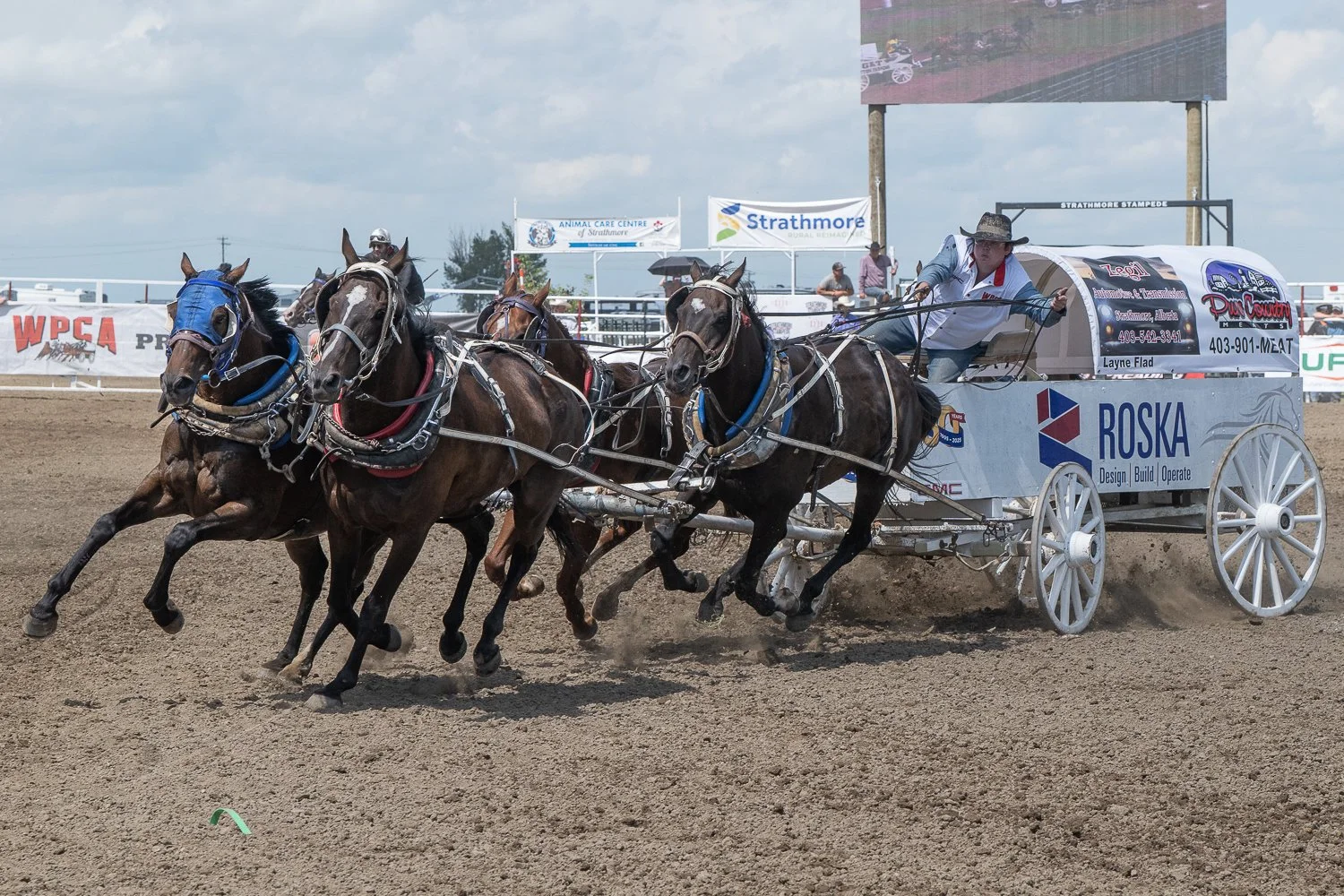
When most people think about the Calgary Stampede, they picture ten days of excitement, crowds, and the famous Chuckwagon Races. Every evening, thousands of spectators watch four wagons thunder around the track in less than two minutes, cheering for the team that crosses the finish line first. What they don’t see is the work that made those two minutes possible.
Over the past several years, I’ve had the privilege of spending time with the Flad family, one of Alberta’s respected chuckwagon racing families spanning three generations. Through my friendship with Layne Flad, an engineer I have worked with and mentored, I’ve watched not only the races but also the countless hours of preparation behind them. The experience influenced some of my thoughts about leadership.
Although chuckwagon racing and industrial projects appear worlds apart, they have far more in common than most people realize. Both operate in high-pressure environments where safety, execution, teamwork and preparation determine success. Both rely on people performing their roles with precision under demanding conditions. And in both cases, the public only sees the final performance—not the months of disciplined work that came before it.
Focus relentlessly on what you can control.
One of the first lessons I learned was that championship teams focus relentlessly on what they can control. A chuckwagon driver cannot control the weather, the track conditions or the actions of competing teams. What they can control is the condition of their horses, the quality of their equipment, the training they complete and the discipline of their preparation.
Business leaders face exactly the same challenge. We cannot control commodity prices, labour shortages, changing regulations or unexpected market conditions. We can control planning, readiness, communication and the quality of our decisions. The organizations that consistently outperform others invest their energy where it creates the greatest value instead of worrying about variables they cannot influence.
Putting the right horse into the right role
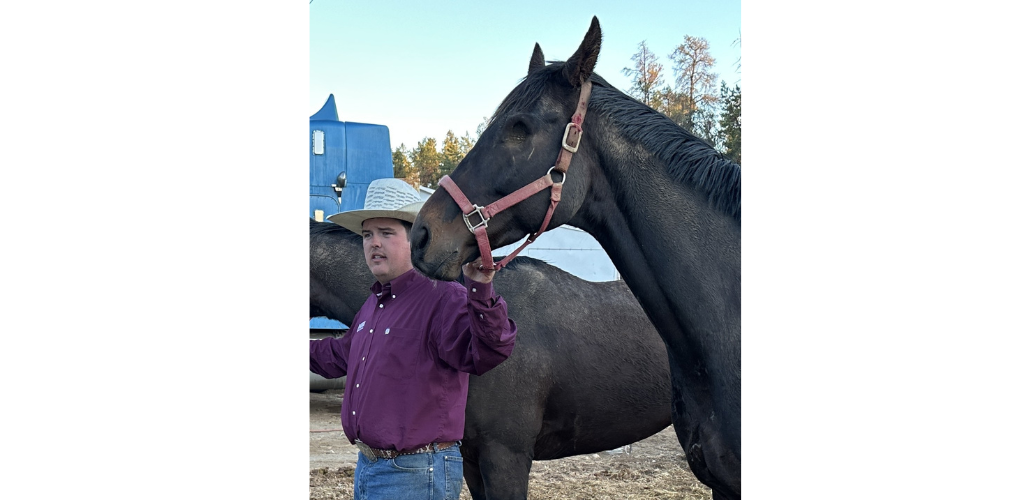
Another lesson surprised me even more. One of the outrider horses is missing an eye. At first glance, many people might assume the horse is unsuitable for competition. Instead, he has become perfectly suited for his specific role. His characteristics make him an excellent outrider horse, even though he would not perform as effectively in another position.
It is a powerful reminder that building high-performance teams is not simply about finding the most talented people. It is about putting the right people into the right roles where they can contribute their greatest strengths. Great leaders spend as much time thinking about team composition as they do individual capability.
No driver wins alone
Watching the chuckwagon operation also reinforces another truth that every executive understands. The driver may receive the applause, but no driver wins alone.
Behind every successful race are trainers, veterinarians, grooms, family members and countless people working behind the scenes. Their contribution is often invisible, yet without them there is no successful race.
The same is true for complex projects. Planning, engineering, procurement, operations, maintenance, supply chain, contractors and support functions all contribute to successful execution. High-performing organizations recognize that outstanding results are almost always the product of outstanding teams rather than exceptional individuals.
The best organizations cultivate leadership
One of my favorite observations involves the development of future leaders. Layne Flad did not become a Calgary Stampede driver overnight. He grew up surrounded by experienced mentors, learned from multiple generations, and developed his skills over many years before earning the opportunity to compete.
Too many organizations expect leadership to emerge naturally. The best organizations deliberately create it. They invest in mentoring, coaching and succession planning long before they need the next generation of leaders. Every executive should occasionally ask a simple question: “If I became unavailable tomorrow, who is ready to step into my role?” If the answer is unclear, there is work to do.
Understand the plan before the race begins
Communication is another lesson that became obvious after spending time around the barns. Nobody arrives at the starting line wondering which horses are racing, who is responsible for what, or what success looks like. Every participant understands the plan before the race begins.
Many project failures are not technical failures at all. They are failures of alignment. Different assumptions, incomplete communication and unclear priorities gradually create confusion until execution begins to break down. Consistent communication before execution remains one of the strongest predictors of project success.
Ownership and Accountability
Ownership of roles and responsibilities is important. Every horse has a defined role. Every person understands their responsibilities. Accountability is never assigned to “the team.” It belongs to individuals who know exactly what they own.
The same principle applies inside organizations. Clear ownership accelerates decision-making, eliminates ambiguity and improves execution. Accountability is one of the simplest leadership disciplines, yet one of the most frequently overlooked.
Every decision involves trade-offs
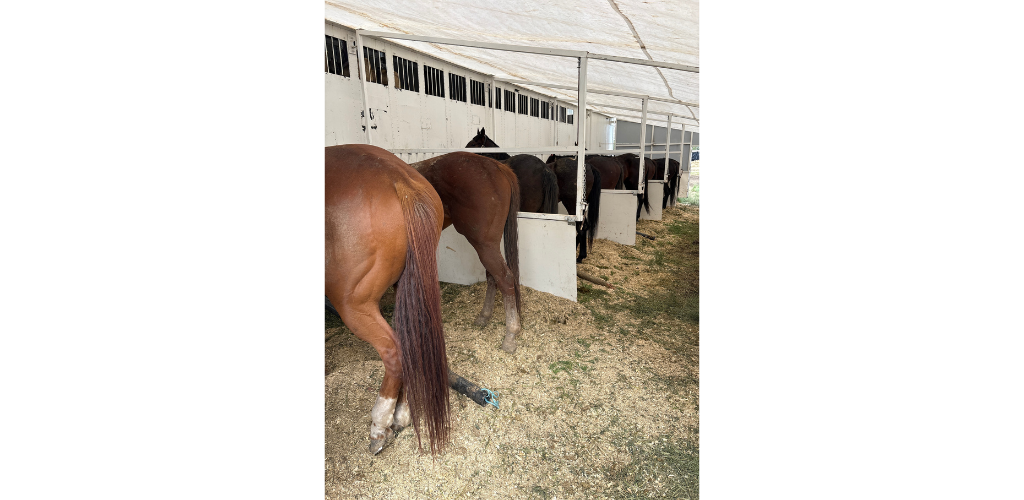
Perhaps the most important lesson concerns priorities. The Flad family transports dozens of horses, wagons, equipment, feed, temporary barns and support vehicles from one race to another. Yet they cannot take everything they own. Every decision involves trade-offs.
Organizations face the same reality. Every project has limited budgets, limited people and limited time. Leadership is often less about deciding what to do than deciding what not to do. Not every initiative deserves immediate attention, and not every good idea belongs in the current project. Strategic focus requires the discipline to say no.
Pressure does not create performance; It reveals preparation
Finally, there is the lesson that ties everything together: the audience sees the race - the team lives the preparation.
One of the retired horses now spends his time helping train younger thoroughbreds before they ever compete. That quiet work receives no applause, but it helps create future champions.
The same principle applies to every complex organization. Pressure does not create performance; it reveals preparation. Whether leading a turnaround, commissioning a new facility, implementing organizational change, or delivering a major capital project, success is rarely determined during execution. It is determined months earlier through disciplined planning, thoughtful leadership, capable teams, effective communication and organizational readiness.
That is why the best organizations consistently outperform others. They understand that winning never starts on race day.
Winning starts back at the ranch.
Ron Bettin, MBA, PMP, CMC, is a Canadian executive and public speaker with more than 25 years of leadership and entrepreneurial experience. He co-founded several companies and provides management consulting through Adduco Inc. to organizations of all sizes. Ron understands the importance of building value and enabling success through leading change and managing complexity. He is a graduate of the Southern Alberta Institute of Technology and holds an MBA from Queen’s School of Business.